


Until Mesirus NefeshBy Zalman Wishedsky
- Aug 15, 2025
- 2 min read

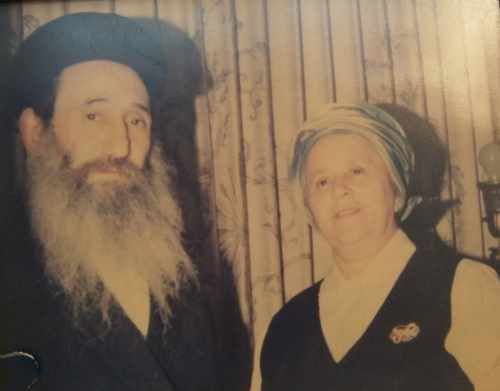
Shlomo “Shloime” was nine years old when he walked with his mother, Bubbe Chasha, to school one tense Shabbat morning in the Soviet Union. Under Communist rule, Jewish religious life was severely restricted. Observant Jews faced pressure, harassment, and sometimes persecution. That morning was the national examskipping it could bring serious trouble, but taking it would mean breaking Shabbat.
On the way, they met his father, Zeide Moshe, and the Chassidic mentor Reb Mendel Futerfas, a close family friend. Seeing their tension, Reb Moshe simply said, “Do as you see fit,” and they continued on. And the two walked together.
It was late winter; melting snow had turned the streets to mud. Suddenly, without warning, Bubbe Chasha shoved her son into an icy puddle, soaking him completely. “The hand that pushed me was the same that pulled me up,” Shloime recalled. At school, the shocked staff sent them home, fearing he might get sick. They walked back in silence the boy wet to the bone, the mother firm in her resolve.
At home, Reb Mendel asked where she found the courage. She told of her father, Reb Shlomo Raskin, a simple but devoted Chassid. In Tishrei 1927, despite the danger of being watched by the Soviet secret police, he obeyed his father’s command to travel to the Rebbe in Leningrad for the month of holidays. When he returned, he said he had heard little due to the crowds, but then climbed on a table and danced, showing how the Rebbe danced on Simchas Torah.
While dancing, he added: “I remember the Rebbe cried out: ‘For the education of children, one must be ready to give everything even one’s life.’”
“That dance and those words came to me this morning,” said Bubbe Chasha, “and in that moment, I threw my son—named after my father—into the freezing mud. After all, he said: ‘Until mesirus nefesh.’”


Comments